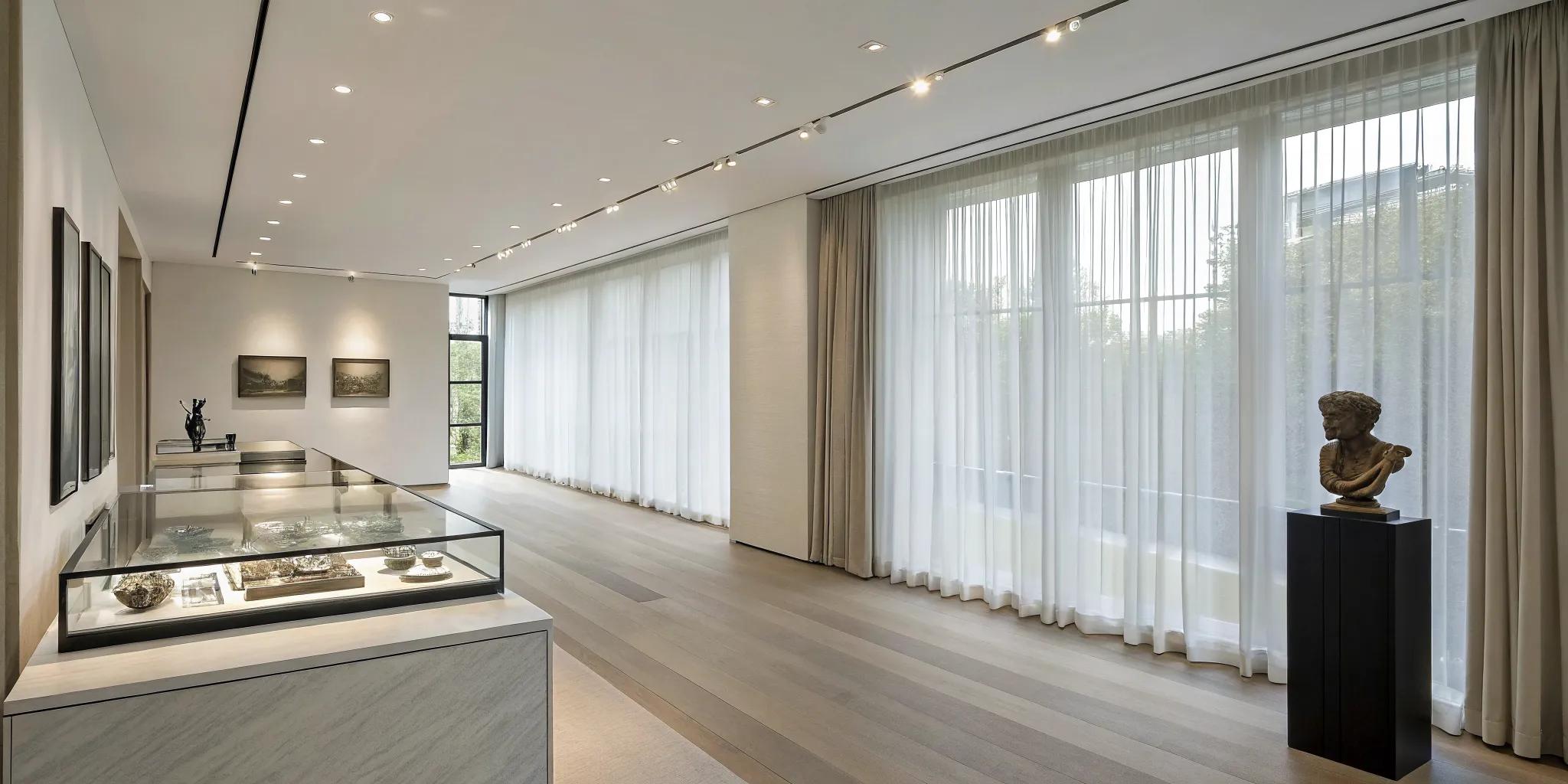
Private collectors are the unseen engines of the art world. Their choices do more than just decorate a home; they shape artist careers, define market trends, and preserve cultural history for future generations. This role of patron and tastemaker is a powerful one, blending a deep appreciation for creativity with the ability to make a lasting impact. But this influence comes with responsibility and requires a thoughtful approach. Understanding the ecosystem, from artist studios to major auction houses, is key. This guide explores how a private collection art strategy allows you to not only acquire beautiful works but also to participate in the cultural conversation.
Key Takeaways
- Define your 'why' before you buy: A great collection balances personal passion with clear financial goals, transforming your acquisitions from simple purchases into a cohesive and valuable asset.
- Build your team of trusted advisors: You don't have to go it alone; working with art consultants and financial experts provides the necessary due diligence and strategic oversight to protect your investment and build a collection with confidence.
- Understand your influence as a collector: Every acquisition you make sends a ripple through the art world, shaping market trends, launching artist careers, and preserving cultural works for the future.
What is a Private Art Collection?
At its core, a private art collection is a selection of artworks owned by an individual, family, or private organization rather than a public institution. While the term might conjure images of sprawling, museum-like homes, a collection can be of any size. The defining feature is its ownership. Many of the world's most famous masterpieces are actually held in private collections and are often loaned to museums for public viewing. So, the next time you admire a piece in a gallery, it might just belong to an individual who has chosen to share it with the world.
The practice of collecting art has deep roots, but the concept as we know it today truly took shape during the Renaissance. For centuries, art was largely kept out of the public eye, accessible only to royalty, the church, and the wealthy elite. The rise of public museums fundamentally changed this dynamic, making art available to everyone. Interestingly, many of the world's greatest public institutions, like The Frick Collection in New York or The Wallace Collection in London, began as the personal collections of passionate individuals who later bequeathed them to the public, creating a lasting cultural legacy.
Today, private collectors play a vital role in the art ecosystem. They are patrons, tastemakers, and custodians of culture. Their collections are not just decorative assets; they are deeply personal expressions of taste, intellect, and passion. These collections can be incredibly diverse, ranging from Old Masters to cutting-edge contemporary works. The most interesting private art collections often reflect a unique story and a singular vision, blending a love for art with strategic financial planning and a desire to support living artists.
Who Collects Art, and Why?
People who collect art are as diverse as the pieces they acquire. Their motivations are deeply personal, often blending a genuine love for aesthetics with sharp financial acumen. While some are driven purely by the thrill of owning a beautiful object, others see art as a key component of a diversified asset portfolio. Understanding the different types of collectors and their goals is the first step in appreciating the complex world of private collections. It’s a landscape where personal taste, cultural significance, and market strategy intersect, creating a unique profile for every collector.
Is It for Investment or Passion?
The classic question is whether someone collects for love or money, but the truth is it’s rarely that simple. Most collectors operate on a spectrum between the two. On one end, you have the passion-driven enthusiast who buys what speaks to them, creating a collection that is a true reflection of their personality. On the other, you have savvy investors who view art as an asset class, using it for wealth preservation and even as loan collateral. Today’s collectors are often commercially minded, with heightened expectations for financial returns and a desire to be socially engaged in the art world. They build relationships, follow the market, and make strategic acquisitions that satisfy both their artistic and financial goals.
What Makes a Great Collector?
A great art collection is more than just an assembly of expensive works; it tells a story and reflects a distinct point of view. The most respected collectors possess a unique combination of traits. They have a deep curiosity and an "openness to experience," which allows them to appreciate a wide range of aesthetics and spot promising talent before it becomes mainstream. While investment potential and social cachet are often important criteria, a great collector’s decisions are guided by a clear vision. They build their expertise over time, developing a discerning eye that helps them curate a cohesive and meaningful collection that stands apart. It’s this dedication to a personal vision, backed by research and a long-term strategy, that truly defines a great collector.
Notable Private Art Collections to Know
Some of the world's most treasured art isn't hanging on the walls of a national museum. Instead, it's held in private collections, curated by individuals and families with a deep passion for art and culture. These collections are more than just personal assets; they are cultural statements that often shape art history. From historical troves that became the foundation for public institutions to modern collections that set auction records, understanding these key collections offers a fascinating look into the art world's inner workings.
From Private Hands to Public Museums
Historically, art patronage was the domain of the rich and powerful, meaning many masterpieces were kept out of public view. Over time, a powerful tradition of philanthropy emerged. Many of the world's most famous museums, like The Frick Collection in New York or the Peggy Guggenheim Collection in Venice, began as the personal passion projects of single collectors. These individuals dedicated their lives to acquiring significant works and later gifted them to the public. This act of generosity ensures that a private collection can transform into a public legacy, allowing future generations to experience art that might have otherwise remained hidden.
Today's Collections Shaping Culture
The profile of an art collector is more diverse than ever. While billionaires certainly make headlines, passionate collectors come from all walks of life. What unites them is a desire to engage with art on a personal level. Many of today's most influential collectors are deeply committed to sharing their works. They often lend key pieces to major museum exhibitions or even open their own private galleries to the public. Collectors like Eli and Edythe Broad in Los Angeles have built entire institutions around their holdings, creating new cultural landmarks and making contemporary art accessible to a wider audience. These interesting private art collections are actively shaping cultural conversations.
The Collections That Break Records
Private collections also play a major role in the financial side of the art market, especially when they go to auction. When a lifetime of curated acquisitions becomes available, it can create unprecedented sales events. A prime example is the collection of the late Microsoft co-founder Paul Allen. In 2022, his collection fetched over $1.6 billion, becoming the largest single-owner sale in auction history. Featuring masterpieces by artists like Vincent van Gogh, Paul Cézanne, and Georges Seurat, the sale demonstrated the immense value that a well-curated collection can accumulate. These record-breaking auctions don't just make headlines; they set new benchmarks for artist markets and reinforce the status of art as a significant asset class.
How Private Collections Shape the Art World
Private collectors are more than just buyers; they are active forces within the art ecosystem. Their decisions create ripples that influence everything from market trends and artist careers to the preservation of cultural history. By acquiring, holding, and sometimes sharing art, collectors become key players in defining what is valued and remembered. Their passion and investment don't just build a personal portfolio; they help write the next chapter of art history. This influence unfolds in three key areas: setting market trends, preserving culture, and directly shaping the careers of artists.
Setting Trends and Influencing the Market
The art market doesn't move on its own; it follows the lead of influential collectors. When a respected collector champions an emerging artist or a forgotten movement, the rest of the world takes notice. This focused interest can ignite an artist’s career and create new market categories. Because so many significant artworks are held in private art collections, the choices of their owners carry immense weight. A single acquisition can signal to galleries, auction houses, and other buyers that an artist is worth watching. In this way, collectors act as tastemakers, guiding the conversation and directing the flow of capital toward the art they believe in, blending personal taste with powerful market influence.
Preserving Culture and Supporting Artists
Historically, collectors have served as patrons of the arts, a role they continue to play today. By purchasing works from living artists, they provide the essential financial support that allows creativity to flourish. This patronage is a direct investment in the future of culture. At the same time, collectors are custodians of history, preserving masterpieces and important works for future generations. While many pieces remain in private hands, a significant number eventually make their way into the public sphere. Many of the world's greatest museum exhibits are built around works that were once part of a private collection, shared through loans or donations, ensuring their legacy endures and enriches the public trust.
How Collections Affect Art Prices and Artist Careers
For an artist, being acquired by a prominent collector can be a career-defining moment. It serves as a powerful vote of confidence that validates their work and immediately increases their market standing. This inclusion can trigger a chain reaction, leading to gallery representation, museum shows, and rising auction prices. The demand created by collectors has a direct impact on what kind of art gets made, as artists often respond to the interests of those who support them. Over time, the focused acquisitions of collectors help build an artist's provenance and track record. This relationship is symbiotic, where investment and social cachet build a collection's value while forging an artist's legacy.
How Collectors Acquire Artworks
Building a significant collection is a strategic pursuit. The path you take to acquire new pieces will shape your collection's character and long-term value. Whether you prefer the curated calm of a gallery or the dynamic energy of an art fair, understanding your options is the first step. The most successful collectors often use a combination of these channels, adapting their approach as their tastes and goals evolve.
The Classic Route: Galleries and Auctions
For generations, galleries and auction houses have been the primary gateways to the art world. Galleries offer a curated experience, allowing you to build relationships with dealers who can provide early access to new works from artists they represent. Auctions, on the other hand, are where you’ll find works with established histories on the secondary market. Houses like Christie’s and Sotheby’s are theaters of competition and valuation. Working directly with these institutions gives you access to specialists and a transparent, albeit fast-paced, purchasing process. This traditional route remains a cornerstone for acquiring works with proven artistic provenance.
The Modern Approach: Art Fairs and Online Platforms
The art market has expanded far beyond gallery walls. International art fairs like Art Basel and Frieze have become essential events, gathering hundreds of galleries under one roof for a few intense days. They offer an efficient way to discover a vast range of artists and gauge market trends in real time. Alongside fairs, online platforms have completely changed the game. Websites like Artsy allow you to browse inventory from thousands of galleries worldwide, making art more accessible than ever. These digital spaces have created new social networks for art, connecting collectors, artists, and dealers across geographical boundaries and simplifying the discovery process.
Getting Expert Help: Dealers and Consultants
Whether you are making your first major purchase or acquiring a cornerstone piece for your collection, expert guidance is invaluable. An art advisor or consultant works for you, the collector. Their job is to understand your vision, conduct research, and represent your interests during negotiations. Unlike a dealer, who represents the artist or gallery, an advisor provides unbiased counsel tailored to your specific goals. Partnering with an experienced art consultant helps you make informed decisions, avoid costly mistakes, and build a collection with coherence and lasting value. This professional guidance is crucial for handling everything from initial selection to final installation.
The Rewards and Risks of Collecting Art
Collecting art is a deeply personal journey that can also be a significant financial endeavor. It offers the unique opportunity to live with objects of beauty and cultural importance while also building a tangible asset class. However, like any major investment, it comes with its own set of complexities and risks. A successful collector understands how to balance the passion for art with a strategic approach to acquisition, management, and preservation. This means appreciating the aesthetic rewards while being clear-eyed about the practical steps needed to protect your investment and legacy for years to come.
Building a Legacy and Preserving Wealth
Art is more than just decoration; it's a way to build a lasting legacy. Many collectors choose to focus on specific movements, mediums, or artists, creating a curated group of works that reflects their unique vision and contributes to the cultural conversation. Over time, these carefully assembled private art collections can become historically significant. As an asset, fine art has the potential to preserve wealth across generations, often holding its value against inflation and market volatility. By loaning or donating pieces to museums, you can also share your passion with the public, ensuring the works you love will be appreciated long into the future.
The Practical Side: Authentication, Provenance, and Storage
The practical side of collecting requires diligence and expertise. Before any acquisition, verifying a piece's authenticity and provenance (its history of ownership) is critical. A clear and documented history not only confirms the artwork is genuine but also adds to its value and story. Many collectors find success by working directly with dealers, auction houses, or private curators who can help with this due diligence. Once acquired, proper storage and conservation are essential to protect the work from environmental damage. You'll need a secure, climate-controlled environment to prevent degradation, ensuring the piece remains in pristine condition whether it's displayed in your home or on loan to a museum.
Protecting Your Investment: Insurance and Market Fluctuations
Protecting your collection is just as important as building it. Standard homeowner's insurance policies rarely provide adequate coverage for fine art, making specialized policies a necessity. These special insurance policies are designed to cover the full value of your artworks against risks like theft, damage, and loss. The art market also has its own cycles and fluctuations, and values can change based on artist popularity, economic conditions, and market trends. A smart collector stays informed by researching potential purchases, comparing prices, and developing a clear strategy for when to buy or sell. This financial discipline helps manage risk and ensures your collection remains a sound investment.
How Do Private Collections Impact Public Access to Art?
When a masterpiece enters a private collection, it can feel like a loss to the public. But the relationship between private ownership and public access is more nuanced than it appears. For centuries, collectors have been the primary patrons and protectors of the arts. While their role has evolved, they continue to shape how, when, and where the world experiences culture. The dynamic isn't just about keeping art behind closed doors; it's a complex interplay of passion, preservation, and public-spiritedness that has a profound effect on our shared cultural heritage. Understanding this relationship is key for any collector considering their own role and legacy within the art world.
The Debate: Private Ownership vs. Public Access
Historically, wealthy patrons funded the creation of art, so it’s no surprise that many significant works have always been in private hands. This reality creates a natural tension, as pieces held in private homes can be difficult for the public, researchers, and educators to see. The idea of a public museum is actually quite modern; the British Museum, one of the first of its kind, opened in 1759 and was built upon a private collection. The core of the debate centers on balancing the rights of an owner with the cultural value of an artwork. This ongoing conversation about the role of private collectors and public masterpieces continues to shape how we think about art stewardship.
How Collectors Share Their Art with the Public
Contrary to the image of the reclusive collector, many are deeply committed to sharing their passion with a wider audience. They often lend or donate key pieces to museums for special exhibitions, allowing millions to experience works they would otherwise never see. Some go even further. The Swiss collector Oskar Reinhart, for example, believed art had a vital role in society and ultimately bequeathed his entire collection to the public, founding a museum. His story is just one of many that show how private passion can create a lasting public legacy. Many of the world's most interesting private art collections are known for their generosity, enriching cultural institutions for everyone.
How to Start Your Own Art Collection
Starting an art collection is a deeply personal and rewarding process that blends passion with strategic planning. It’s an opportunity to support artists, engage with culture, and build a tangible legacy. But where do you begin? The key is to approach it with a clear vision and a thoughtful strategy, turning your appreciation for art into a cohesive and valuable collection. These steps will help you lay the groundwork for acquiring pieces you’ll cherish for years to come.
Plan Your Finances and Entry Strategy
First, decide on your financial approach. There is no single "right" way to collect; your method should align with your personal financial goals. Some collectors acquire several pieces at once, while others purchase a significant work every year or two. You might also commission a favorite artist for a piece with personal meaning. Whatever your pace, a clear budget is essential. This guides your decisions and ensures your collection grows sustainably within your broader wealth management strategy. A budget helps you focus your search and make confident choices.
Define Your Focus and Build Your Expertise
A great collection is built on knowledge and personal taste, not fleeting trends. Before your first purchase, spend time learning about different art movements, periods, and artists. Visit museums, attend gallery openings, and explore major art fairs to see what resonates with you. This educational phase is crucial for making informed decisions and developing a collection that feels authentic. A focused collection, whether centered on a specific medium, artist, or theme, is often more compelling and valuable than a scattered one. This expertise is your best tool for identifying quality works you genuinely love.
Partnering with Financial and Art Advisors
You don't have to build your collection alone. Partnering with the right experts provides invaluable guidance and access. An art advisor or private curator can help you identify promising artists and source works, while dealers and auction houses offer direct channels for acquisition. It’s also wise to consult with financial advisors who specialize in art investments. They can help structure your acquisitions, manage risk, and integrate your collection into your financial portfolio. At Beekman Strategic, we specialize in designing these sophisticated strategies, ensuring your passion for art is also a sound and protected investment.
Frequently Asked Questions
Do I need to be a billionaire to start an art collection? Not at all. While the art market headlines often feature astronomical prices, a meaningful collection is defined by its vision, not its price tag. You can start with a clear budget and a specific focus, such as works on paper by emerging artists or photography from a particular region. The key is to buy what you love and what you can afford. A thoughtful collection of smaller pieces can be just as significant and rewarding as one built around a single, expensive masterpiece.
What's the difference between buying for passion and buying for investment? Most collectors find themselves somewhere in the middle of this spectrum. A purely passion-driven purchase is made because a piece speaks to you on a personal level, regardless of its market potential. An investment-driven purchase prioritizes an artwork's financial prospects, such as its potential to appreciate in value. The most successful collectors blend both, acquiring works they are genuinely passionate about that also happen to be smart financial decisions. This approach ensures you build a collection you love living with and that also supports your long-term financial goals.
What is the single most important thing to do before buying my first piece? Before you make any purchase, invest your time in education. Visit as many galleries, museums, and art fairs as you can. Read books, follow reputable art publications, and train your eye to recognize quality and originality. This process helps you discover what you are truly drawn to and allows you to build a clear focus for your collection. A well-researched first purchase, guided by your own informed taste, sets a strong foundation for every acquisition that follows.
How do I protect my art once I've bought it? Protecting your art is just as important as acquiring it. The first step is securing specialized fine art insurance, as a standard homeowner's policy typically won't provide adequate coverage. You also need to consider the physical environment. Proper storage and display conditions, away from direct sunlight and with stable temperature and humidity, are essential for long-term preservation. Finally, keep meticulous records of each piece, including its purchase history, or provenance, as this documentation is vital for both insurance purposes and the artwork's future value.
Can my private collection benefit the public, even if I don't open a museum? Absolutely. Many collectors choose to share their art by lending pieces to museums and public institutions for special exhibitions. This is a fantastic way to contribute to the cultural conversation and allow a wider audience to experience works that would otherwise be out of view. Loaning a piece not only enriches the public but can also enhance the artwork's cultural significance and historical record, adding to its story and legacy.